Navigating Cookieless Analytics: A Practical Approach for Marketers
As privacy regulations tighten, marketers must adapt to cookieless analytics. This article provides practical strategies for implementing effective, privacy-compliant tracking methods.
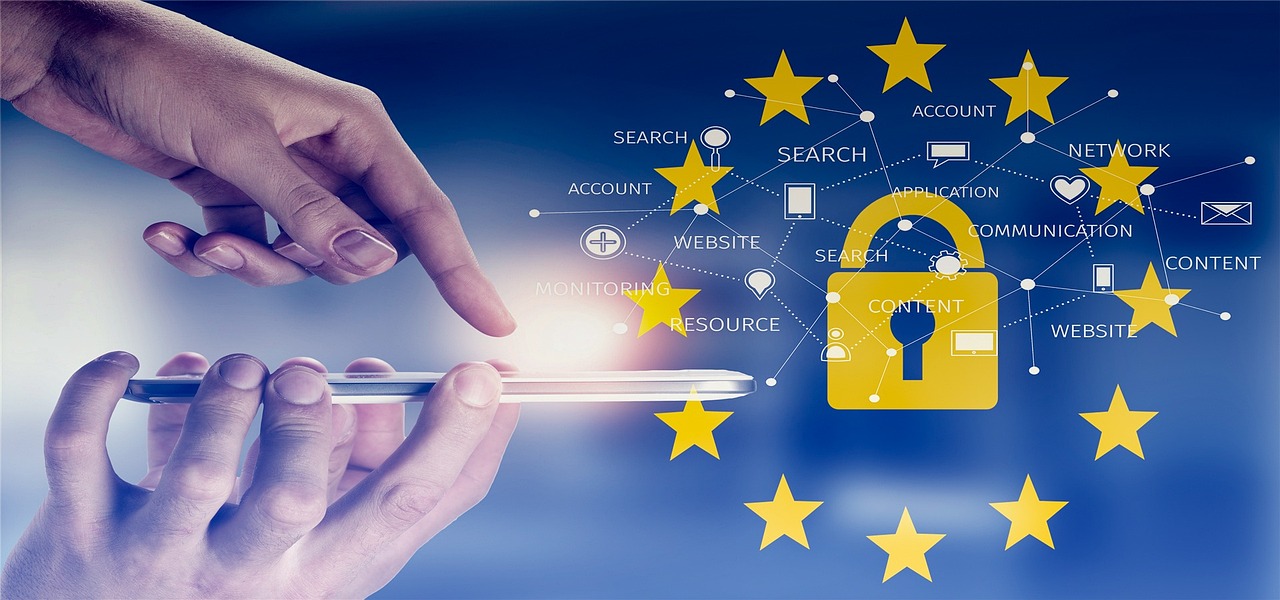
Image by TheDigitalArtist on Pixabay — Free to use under Pixabay Licence
In the rapidly evolving landscape of digital marketing, the shift towards a cookieless environment presents unique challenges and opportunities for marketers, developers, and agency owners. As privacy regulations tighten globally, responding to consumer concerns about data collection while maintaining effective analytics strategies is essential. This article explores how to implement cookieless analytics effectively, ensuring compliance with GDPR and UK PECR while still deriving valuable insights.
Understanding the Need for Cookieless Analytics
With increasing legislation around user privacy, such as the GDPR and the UK’s PECR, it is becoming crucial for organisations to rethink their data collection methods. Traditional cookie-based tracking is being phased out, compelling marketers to find alternative methods for gathering and interpreting user data.
Cookieless analytics offers a solution that respects user privacy while still enabling marketers to track engagement and conversions. This approach relies on server-side tracking, fingerprinting methods, and first-party data collection strategies that do not infringe on user privacy.
Implementing Cookieless Tracking
The first step towards implementing cookieless tracking is to understand your existing tracking framework. Marketers should conduct a comprehensive audit of their current analytics processes, identifying areas reliant on cookie-based data.
Next, organisations can leverage tools that are designed with a focus on privacy compliance. For instance, MyUserJourney offers robust cookieless tracking capabilities that enable real-time analytics without compromising user privacy. With features like visitor segmentation and custom events, marketers can glean actionable insights without employing traditional tracking methods.
Key Strategies for Successful Cookieless Analytics
- Utilise Server-Side Tracking: This method processes data on the server rather than the user’s browser, reducing the reliance on cookies and enhancing privacy.
- Focus on First-Party Data: Gather data directly from your users. Use forms, subscriptions, and customer interactions to build a rich dataset that can inform your marketing efforts.
- Implement Consent Management: Ensure that your tracking methods comply with local regulations by using effective consent management tools, such as those offered by MyUserJourney. Customisable banners can inform users about data collection practices clearly.
Addressing Common Cookieless Analytics Challenges
Marketers often encounter challenges when transitioning to a cookieless model, particularly surrounding data accuracy and cross-device tracking. A pivotal question that often arises is, “How can I track conversions accurately without cookies?”
One solution lies in leveraging cookieless tracking solutions that offer predictive analytics capabilities to ascertain user behaviours based on first-party data. These insights, although different, can often yield even more valuable information regarding user intent and engagement.
MyUserJourney’s Approach to Cookieless Analytics
Unlike traditional analytics tools that predominantly rely on cookie-based methods, MyUserJourney is designed as a privacy-first solution. It supports your move to cookieless tracking with:
- Real-Time Visitor Tracking: Monitor user interactions in real-time while respecting their privacy preferences.
- Lead Journey Mapping: Track user pathways from Discovery to Conversion using AI-driven insights without deploying intrusive cookies.
- Integrated Consent Management: Streamline compliance efforts by utilising integrated consent management tools for multiple jurisdictions.
Competitor Comparison
Feature MyUserJourney Google Analytics 4 Cookieless Tracking Comprehensive support for cookieless tracking, focusing on privacy-friendly methods. Primarily reliant on cookie-based tracking methods, with limited cookieless options. Consent Management Robust consent management tools integrated within the platform. Separate tools required for consent management; does not integrate seamlessly. Real-Time Analytics Real-time visitor tracking with actionable insights. Delayed data reporting, impacting real-time analytics capabilities.Conclusion
Transitioning to cookieless analytics is a necessity in today's privacy-centric world. By adopting thoughtful strategies and leveraging the right tools, marketers can continue to engage users effectively while maintaining compliance with evolving regulations. MyUserJourney stands as a reliable solution offering extensive cookieless tracking capabilities, empowering organisations to thrive in a new era of data privacy.
For further insights into effective analytics and privacy-compliant tracking, check out our guide on predictive analytics or our practical resource for marketers navigating cookieless tracking.
Frequently Asked Questions
What is cookieless tracking?
Cookieless tracking refers to data collection methods that do not rely on cookies. Instead, it uses alternatives like server-side processing and first-party data to analyse user behaviour.
How can I ensure GDPR compliance with cookieless analytics?
To ensure GDPR compliance, implement comprehensive consent management tools and focus on collecting first-party data. Using platforms like MyUserJourney can help manage consent effectively.
What are the benefits of using cookieless analytics?
Cookieless analytics enhances user privacy, reduces reliance on third-party tracking, and can provide more accurate insights by leveraging first-party data.
Can I still track conversions without cookies?
Yes, you can track conversions using first-party data and server-side methods that comply with privacy regulations, as offered by platforms like MyUserJourney.
How do I transition from traditional cookie-based analytics to cookieless analytics?
Start by auditing your current analytics methods, and then deploy cookieless tracking solutions that prioritise privacy and compliance while enabling effective data collection.