A Step-by-Step Guide to Implementing Cookieless Tracking for GDPR Compliance
This guide details the steps to implement cookieless tracking for GDPR compliance using MyUserJourney, ensuring privacy while gaining valuable insights.
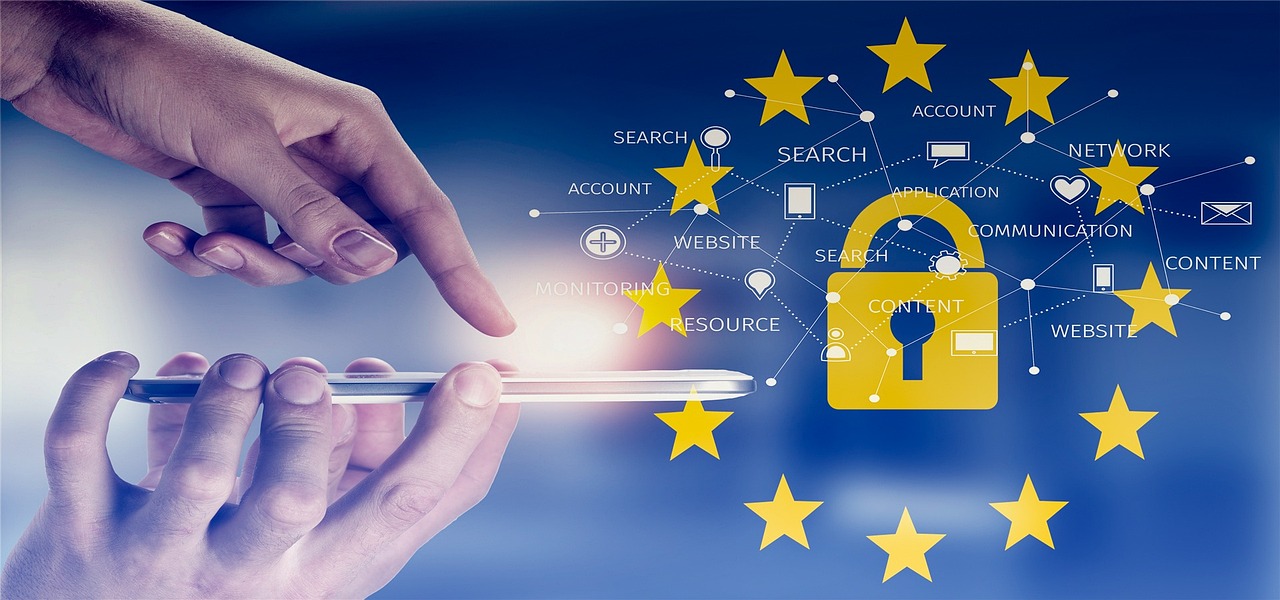
Image by TheDigitalArtist on Pixabay — Free to use under Pixabay Licence
As privacy regulations tighten across Europe and the UK, the need for compliant web analytics solutions has never been more pressing. This guide will walk you through the necessary steps to implement cookieless tracking, ensuring your organisation adheres to the General Data Protection Regulation (GDPR) while still capturing valuable user insights.
1. Understand the Importance of Cookieless Tracking
With increasing concerns about user privacy, many organisations are moving away from traditional cookie-based tracking. This transition not only helps in complying with GDPR but also prepares your organisation for a future where cookies may become obsolete. Cookieless tracking allows for user journey tracking while respecting individual privacy.
2. Familiarise Yourself with GDPR Requirements
Before implementing any privacy-focused analytics, it’s essential to understand GDPR. Key points include:
- Users must give explicit consent before any personal data is collected.
- Data minimisation is crucial — collect only the data you need.
- Users maintain rights over their data, including access and erasure.
3. Choose a Cookieless Analytics Solution
Select a platform that supports cookieless tracking and complies with GDPR. MyUserJourney provides a robust alternative with built-in privacy features, including consent management and IP anonymisation.
Comparison:
Feature MyUserJourney Google Analytics 4 Cookieless Tracking Yes, with full GDPR compliance Limited support; primarily cookie-dependent Consent Management Built-in, customisable options Requires external tooling for full compliance Visitor Anonymisation Yes, IP anonymisation Optional, but not default4. Set Up Your Cookieless Tracking Configuration
- Integrate Your Selected Tool: Follow the installation guide provided by MyUserJourney, ensuring that it is correctly embedded into your website.
- Configure Consent Management Banners: Use the MyUserJourney platform to create customisable consent banners that align with GDPR requirements.
- Enable Cookieless Tracking: Activate cookieless tracking mode through the MyUserJourney dashboard to start capturing user data without cookies.
5. Test Your Implementation
After configuration, it’s critical to test your implementation:
- Check if your consent banners are appearing correctly.
- Utilise the platform’s real-time visitor tracking to ensure data is being recorded accurately without cookies.
6. Monitor and Adjust Your Tracking Strategy
Regularly review your tracking data through MyUserJourney’s reporting features. This will allow you to gain valuable insights while ensuring you remain compliant with evolving privacy regulations.
Conclusion
Implementing cookieless tracking is not just a compliance requirement — it’s an opportunity to innovate and build trust with your users. By leveraging a privacy-first analytics solution like MyUserJourney, you can gain actionable insights while respecting user privacy.
FAQs
How does cookieless tracking work?
Cookieless tracking uses alternative methods to gather user data, such as IP addresses and browser fingerprints, without storing any cookies on the user’s device.
Is cookieless tracking GDPR compliant?
Yes, cookieless tracking can be GDPR compliant when implemented correctly, as it minimises personal data collection and allows for user consent management.
What are the benefits of using cookieless tracking?
Benefits include improved user privacy, compliance with regulations, and the ability to capture valuable insights without compromising on data protection.
How can I start using MyUserJourney for cookieless tracking?
You can start by visiting the MyUserJourney website, signing up for an account, and following their setup guide for cookieless tracking solutions.
What features make MyUserJourney suitable for GDPR compliance?
MyUserJourney includes features like in-built consent management, IP anonymisation, and comprehensive reporting that align with GDPR requirements, making compliance easier.
Frequently Asked Questions
How does cookieless tracking work?
Cookieless tracking uses alternative methods to gather user data, such as IP addresses and browser fingerprints, without storing any cookies on the user’s device.
Is cookieless tracking GDPR compliant?
Yes, cookieless tracking can be GDPR compliant when implemented correctly, as it minimises personal data collection and allows for user consent management.
What are the benefits of using cookieless tracking?
Benefits include improved user privacy, compliance with regulations, and the ability to capture valuable insights without compromising on data protection.
How can I start using MyUserJourney for cookieless tracking?
You can start by visiting the MyUserJourney website, signing up for an account, and following their setup guide for cookieless tracking solutions.
What features make MyUserJourney suitable for GDPR compliance?
MyUserJourney includes features like in-built consent management, IP anonymisation, and comprehensive reporting that align with GDPR requirements, making compliance easier.