A Practical Guide to Tracking User Journeys Without Cookies in 2023
Explore how to track user journeys without relying on cookies in 2023 using MyUserJourney. This practical guide covers setup, visualisation, and compliance benefits.
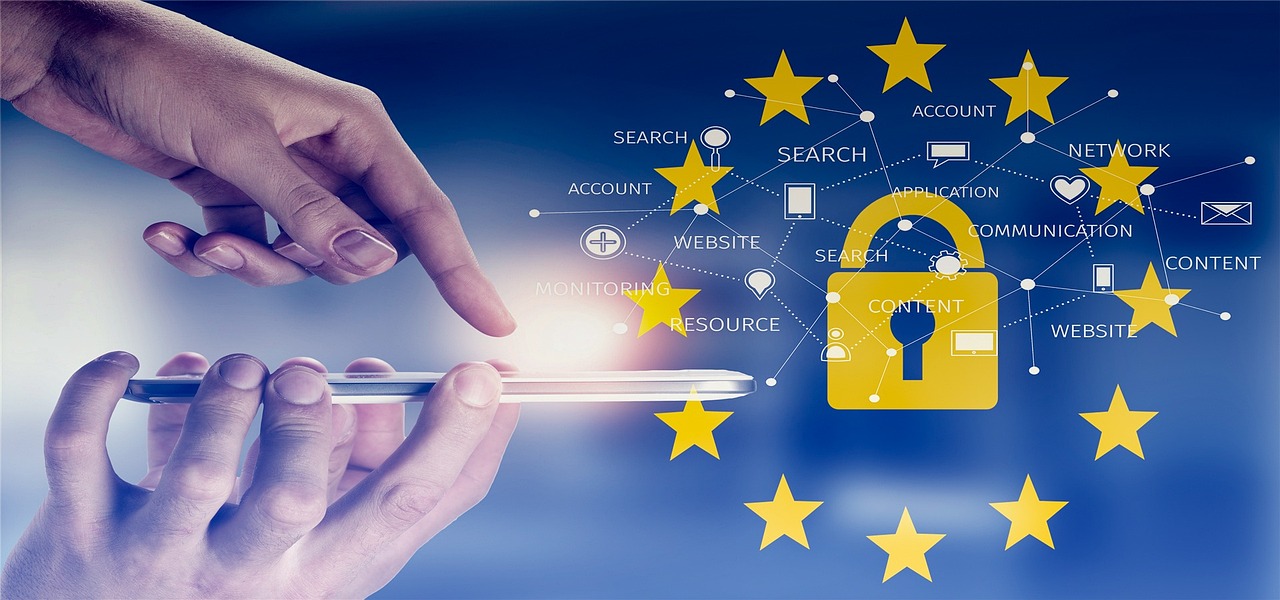
Image by TheDigitalArtist on Pixabay — Free to use under Pixabay Licence
In light of evolving privacy regulations and increasing user awareness around data usage, understanding how to track user journeys without relying on cookies is crucial for marketers, developers, and agency owners. This guide outlines methods for implementing cookieless tracking, using MyUserJourney as a practical solution.
1. Understanding Cookieless Tracking
Cookieless tracking refers to methods of capturing user behaviour without utilising traditional cookies, which have faced criticism and regulatory challenges, particularly under GDPR and UK PECR guidelines. This approach not only complies with legal standards but also enhances user trust.
2. Setting Up MyUserJourney for Cookieless Tracking
MyUserJourney is equipped to provide a robust cookieless tracking solution. Follow these straightforward steps to set it up:
- Sign Up for MyUserJourney: Visit the MyUserJourney website and create your account. Choose the free core analytics tier to begin.
- Configure Your Tracking: Once registered, navigate to the settings feature within your dashboard. Enable the cookieless tracking mode, which allows you to gather data on user activities without cookies.
- Customise Consent Management: Under the consent management settings, you can create customisable banners that inform users of their data rights and seek their consent even in a cookieless environment.
- Implement UTM Tracking: Use UTM parameters for your campaigns. This will help you track the origin and performance of visitors accurately without relying on cookies.
- Utilise Visitor Segmentation: MyUserJourney provides tools for segmenting visitors into human, bot, and internal traffic. This can help streamline your analysis and enable precise adjustments to your marketing strategy.
3. Visualising User Journeys
Creating a visual representation of user journeys can help you understand how users interact with your website:
- Access the Conversion Funnel Tool: MyUserJourney’s no-code funnel builder allows you to create a visual representation of your user journeys through four stages: Discovery, Engagement, Intent, and Conversion.
- Input Critical Touchpoints: Use the funnel builder to define key interaction points or goals you want to track. This may include form submissions, product views, or newsletter sign-ups.
- Analyse the Data: After implementing the funnel, regularly review the analytics dashboard to understand user engagement levels at each touchpoint. This insight can guide your marketing efforts in the future.
4. Benefits of Cookieless Tracking
Switching to cookieless tracking provides several advantages:
- Enhanced Compliance: By minimising reliance on cookies, your organisation can better comply with evolving privacy regulations.
- Improved User Trust: Showcasing your commitment to user privacy can enhance customer relationships and brand reputation.
- New Strategies for Data Analysis: Implementing innovative tracking methods can provide unique insights into user behaviours and preferences.
5. Competitor Comparison
Feature MyUserJourney Google Analytics 4 Cookieless Tracking Included as a standard feature Primarily relies on cookies and user identifiers Consent Management Customisable consent banners Limited to specific configurations Real-Time Analytics Real-time visitor insights Data updates might lag6. Additional Resources
For further reading on privacy compliance and analytics, refer to the following resources:
By implementing the cookieless tracking methods outlined in this guide, organisations can not only comply with legal requirements but also build a more transparent relationship with their users.
Frequently Asked Questions
What is cookieless tracking and why is it important?
Cookieless tracking refers to methods of monitoring user behaviour without using traditional cookies, which have come under scrutiny due to privacy regulations like GDPR. In 2023, it's particularly important for marketers and developers to adopt these strategies to comply with changing laws and to foster user trust.
How can I set up MyUserJourney for cookieless tracking?
To set up MyUserJourney for cookieless tracking, start by signing up on their website and selecting the free core analytics tier. Once registered, enable the cookieless tracking mode within the dashboard and customise your consent management settings to inform users of their rights.
What are the advantages of using MyUserJourney for tracking user journeys?
MyUserJourney offers robust tools for visualising user journeys and segments traffic into human, bot, and internal sources, improving data analysis. Additionally, it helps ensure compliance with privacy regulations while enhancing user trust by minimising cookie usage.
How do I create a visual representation of user journeys using MyUserJourney?
You can create a visual representation of user journeys by accessing the Conversion Funnel Tool in MyUserJourney. This no-code funnel builder allows you to define critical touchpoints such as form submissions and analyse user engagement at each stage.
What steps should I follow to implement UTM tracking with MyUserJourney?
To implement UTM tracking with MyUserJourney, you need to incorporate UTM parameters into your campaign URLs. This will enable you to accurately track the origin and performance of your visitors while operating in a cookieless environment.