Navigating Cookieless Analytics: A Practical Approach for Marketers
Discover how to implement cookieless analytics effectively to enhance user engagement and comply with privacy regulations. This guide breaks down practical steps for marketers.
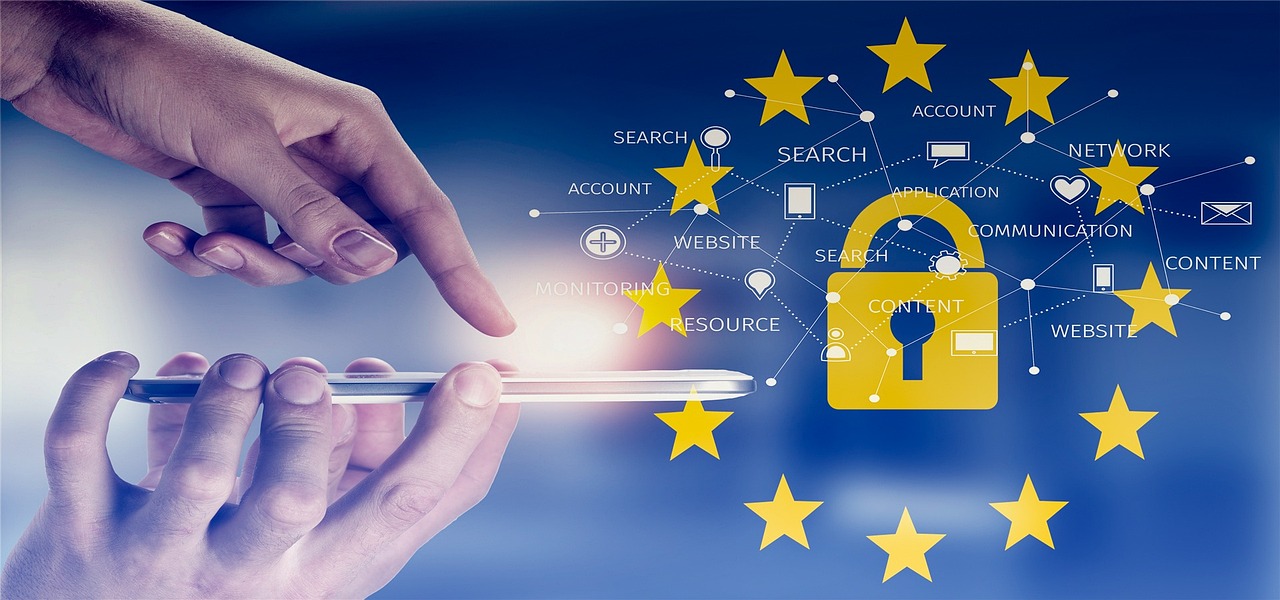
Image by TheDigitalArtist on Pixabay — Free to use under Pixabay Licence
As privacy regulations evolve and consumer demand for data protection grows, cookieless tracking has become a fundamental strategy for marketers. This guide will walk you through implementing cookieless analytics effectively, ensuring compliance with privacy legislation while maximising insights into user journeys.
Step-by-Step Implementation of Cookieless Analytics
- Understand the Basics of Cookieless Tracking
Cookieless tracking utilises alternative methods to collect visitor data, such as browser fingerprinting and server-side tracking, without relying on traditional cookies. This method is vital for GDPR compliance and enhances user trust. - Choose a Suitable Analytics Platform
Select a platform that integrates cookieless tracking effectively. MyUserJourney not only offers cookieless tracking features but also implements robust consent management, ensuring all data is collected lawfully. - Set Up Visitor Segmentation
Using MyUserJourney's visitor segmentation, group users based on their interactions. This segmentation allows for tailored marketing efforts without relying on cookies. - Implement Consent Management
Use MyUserJourney’s customizable consent management features to create banner notifications tailored to your audience. This ensures compliance with the General Data Protection Regulation (GDPR) while collecting necessary permissions from users. - Track User Journey
Leverage the conversion funnel visualisation tool available in MyUserJourney to track the user journey in real-time. You can define stages such as Discovery, Engagement, Intent, and Conversion to analyse user behaviour effectively. - Evaluate Engagement
Utilise MyUserJourney’s reporting tools to monitor visitor engagement. Analytics like acquisition channel reports can provide insights into how users arrive at your platform and interact with it. - Test and Adjust Strategies
Finally, consistently review the data derived from your cookieless tracking. Adjust your strategies based on insights gained, ensuring that you’re continually optimising user journeys and growing engagement rates.
Comparison with Google Analytics 4
Feature MyUserJourney Google Analytics 4 Cookieless Tracking Includes dedicated support for cookieless tracking with a focus on privacy compliance. Offers some capabilities but is primarily cookie-dependent, making it less effective in certain privacy contexts. Consent Management Customisable consent banners tailored to various jurisdictions. Consent management options are available but may not be as granular or customisable. Visitor Segmentation Advanced user segmentation features allowing for classification of human, bot, or internal traffic. Limited segmentation mainly focused on user interactions without such specificity.Conclusion
As the digital landscape shifts towards privacy-first analytics, embracing cookieless tracking is not just a regulatory necessity but also an opportunity to engage users meaningfully. By implementing the steps outlined in this guide, marketers can enhance their understanding of user journeys while respecting privacy.
For further insights into implementing cookieless tracking, explore Navigating Cookieless Analytics.
Frequently Asked Questions
How does cookieless tracking work?
Cookieless tracking uses alternative methods like browser fingerprinting and server-side tracking to collect user data without traditional cookies. It ensures compliance with privacy regulations while helping marketers understand user journeys.
What are the benefits of using cookieless analytics?
Cookieless analytics allows for data collection without compromising user privacy, which builds trust and enhances compliance with regulations like GDPR. It also provides deeper insights into user behaviour without relying on cookies.
How do I set up consent management for analytics?
Setting up consent management involves creating customisable banners that inform users of data collection practices and allow them to consent accordingly. Platforms like MyUserJourney offer integrated solutions for effective consent management.
What insights can I gain from tracking user journeys without cookies?
By tracking user journeys cookieless, you can still gather valuable insights into user behaviour, preferences, and conversion paths. This data helps optimise marketing efforts despite not using cookies.
Is cookieless tracking compliant with GDPR?
Yes, cookieless tracking can be compliant with GDPR as it adheres to privacy guidelines while collecting data. Platforms that prioritise user consent and transparency, like MyUserJourney, ensure compliance effectively.