Navigating the Challenges of Cookieless Analytics in a Privacy-First World
As privacy requirements become stricter, understanding cookieless analytics is essential for marketers. Explore techniques and tools to gather insights while remaining compliant.
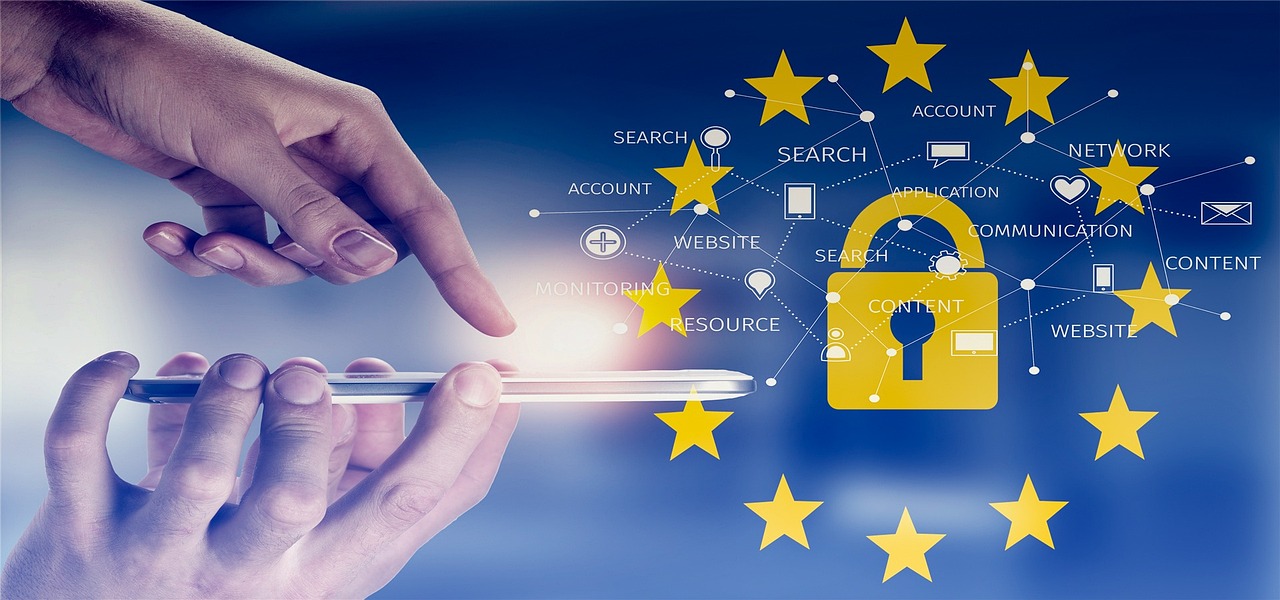
Image by TheDigitalArtist on Pixabay — Free to use under Pixabay Licence
As online privacy regulations tighten and consumer awareness grows, the approach to web analytics is undergoing a significant transformation. The shift towards a cookieless landscape presents both challenges and opportunities for marketers, developers, and agency owners. Understanding how to adapt to this new reality is essential for ensuring compliance while still gaining valuable insights from user behaviour.
The Impact of Privacy Regulations
The introduction of stringent privacy regulations such as the GDPR and the UK PECR has forced organisations to reconsider their data collection methods. Cookies, once the foundation of tracking mechanisms, are increasingly viewed with suspicion by consumers concerned about their privacy. This means that relying solely on traditional tracking methods is no longer viable.
Cookieless tracking seeks to circumvent these challenges while remaining compliant with regulations. By leveraging alternative techniques, marketers can still gather meaningful data without infringing on user privacy.
What is Cookieless Tracking?
Cookieless tracking refers to data collection techniques that do not rely on browser cookies. Instead, these methods use a variety of identifiers, such as device fingerprinting, context-based tracking, and server-side data storage, to gather insights about users’ interactions with websites.
This approach enables marketers to reach their audience effectively while adhering to privacy regulations. For example, by using device fingerprinting, organisations can identify users based on their unique device characteristics, minimising the need for cookies.
Benefits of a Cookieless Approach
- Compliance: Cookieless tracking supports compliance with GDPR and other regulations by restricting the storage and access of personal data.
- User Trust: With growing scrutiny around data privacy, offering a cookieless solution fosters trust between users and brands.
- Actionable Insights: Even without cookies, businesses can still gain insights into customer behaviour, allowing for more informed marketing strategies.
Implementing Cookieless Analytics
Transitioning to a cookieless analytics framework involves several steps:
- Assess Current Tracking Methods: Evaluate your current tracking system to identify reliance on cookies and outline necessary changes.
- Explore Alternative Tracking Solutions: Investigate technologies such as server-side tracking, parameterised URLs, and first-party data collection.
- Ensure Compliance: Familiarise yourself with GDPR and PECR guidelines to ensure that all new tracking methods remain compliant.
MyUserJourney’s Approach to Cookieless Tracking
MyUserJourney offers a comprehensive solution for organisations seeking to implement cookieless tracking while maintaining compliance with privacy regulations. Features such as real-time visitor tracking and consent management enable businesses to gather insights effectively without needing cookies.
Feature Comparison: MyUserJourney vs. Google Analytics 4
Feature MyUserJourney Google Analytics 4 Cookieless Tracking Yes, with comprehensive consent management No inherent cookieless support, relies on cookies for tracking Real-time Analytics Yes, with detailed visitor tracking Limited real-time tracking, often delayed AI-driven Insights Includes AI Marketing Copilot for predictive analytics AI features are minimal, focus is on standard reportsUnlike Google Analytics 4, which relies heavily on cookies for tracking, MyUserJourney provides robust cookieless tracking as a fundamental feature, alongside a suite of tools designed to support privacy compliance. This includes a customisable consent management module that adapts to various jurisdictions, allowing organisations to make informed data decisions without infringing on user privacy.
Future of Analytics in a Cookieless World
The move towards a cookieless future is inevitable, driven by evolving regulations and changing consumer expectations. Organisations that adopt transparency and prioritise user privacy will not only achieve compliance but also build stronger, more trustworthy relationships with their audiences.
As marketers and developers navigate this shift, investing in cookieless analytics solutions is paramount. Staying informed about privacy trends and utilising tools that align with these changes will empower organisations to thrive in an increasingly complex digital landscape.
Resources for Further Reading
For those looking to delve deeper into the legal aspects of privacy compliance, consider reviewing the ICO guidance on GDPR and the UK government guidance on PECR.
Frequently Asked Questions
What is cookieless tracking and how does it differ from traditional tracking methods?
Cookieless tracking refers to data collection techniques that do not rely on browser cookies. Instead, it employs methods like device fingerprinting and server-side data storage to track user interactions, providing a solution that respects privacy regulations while still offering valuable insights.
How do privacy regulations like GDPR affect web analytics?
Privacy regulations such as GDPR and UK PECR have compelled organisations to rethink their data collection strategies. With cookies becoming increasingly scrutinised, companies must adapt their analytics approaches to ensure compliance while still gathering actionable insights.
What are the benefits of adopting a cookieless analytics approach?
Adopting a cookieless analytics approach promotes compliance with stringent privacy laws, enhances user trust by respecting privacy concerns, and still enables businesses to obtain actionable insights into customer behaviour for improved marketing strategies.
What steps should organisations take to implement cookieless analytics?
To implement cookieless analytics, organisations should first assess their current tracking methods to identify cookie reliance. Then, they should explore alternative tracking solutions like server-side tracking, ensure compliance with relevant privacy regulations, and adjust their strategies accordingly.
How can companies maintain user trust while implementing cookieless tracking?
Companies can maintain user trust by transparently communicating their data collection practices and opting for cookieless tracking solutions that prioritise user privacy. Building a reputation for valuing consumer privacy helps foster a stronger relationship between brands and their audiences.