Navigating Compliance: The Role of Cookieless Analytics in a Post-Cookie World
Explore the significance of cookieless analytics in ensuring GDPR compliance while adapting to a privacy-first digital landscape. Learn how MyUserJourney facilitates this transition.
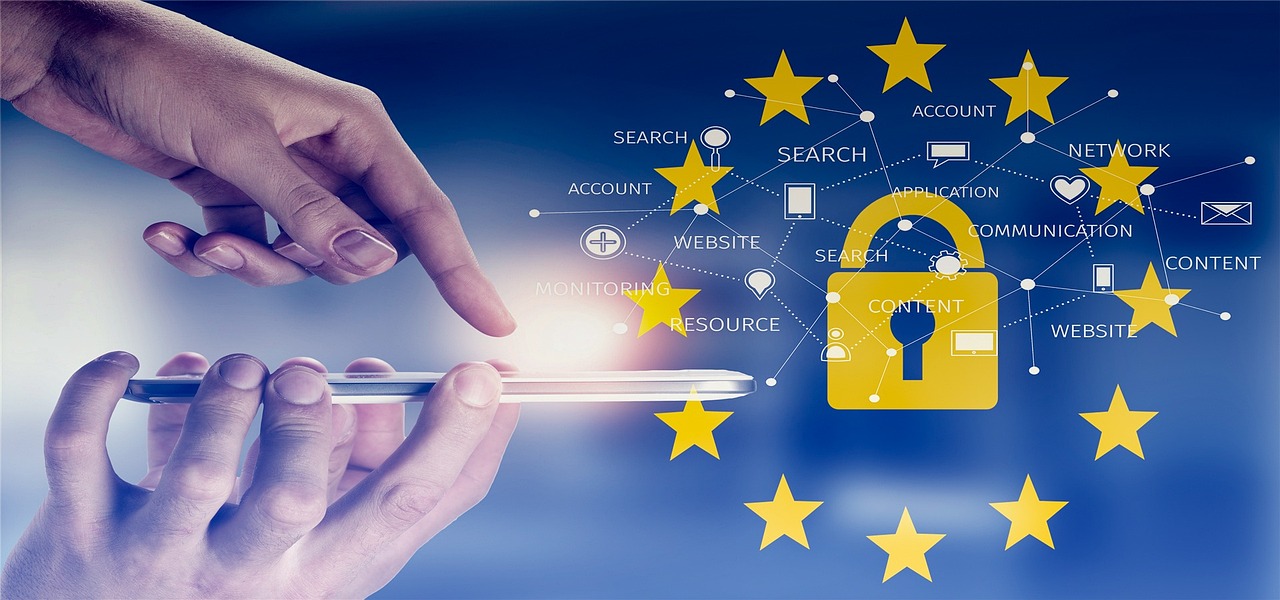
Image by TheDigitalArtist on Pixabay — Free to use under Pixabay Licence
The digital landscape is evolving rapidly, with increasing concerns surrounding user privacy and data protection. As regulators tighten rules on data collection, marketers and organisations must seek effective alternatives to traditional cookie-based tracking. This article explores cookieless analytics and their relevance in ensuring compliance with GDPR and UK PECR guidelines.
The Need for Cookieless Analytics
With the introduction of regulations like the General Data Protection Regulation (GDPR) and the Privacy and Electronic Communications Regulations (PECR), organisations are required to prioritise user consent and privacy. Cookies, while historically a primary method for tracking user behaviour and engagement, have come under scrutiny for their implications on privacy.
Moreover, major browsers are moving away from third-party cookies to enhance user privacy. For example, Safari and Firefox have implemented strict tracking protection, and Chrome has announced plans to phase out third-party cookies entirely by 2024. This shift creates a need for new analytics strategies that respect privacy while still providing meaningful insights.
What are Cookieless Analytics?
Cookieless analytics refers to methods of tracking user interactions on websites without relying on traditional cookies. These methods might include using server-side data collection, tracking URLs, and employing fingerprinting techniques. A major advantage of cookieless analytics is that they can respect user privacy and comply with regulations while still delivering actionable insights.
Features of Cookieless Analytics Tools
- IP Anonymisation: Masking the user’s IP address helps protect their identity.
- Consent Management: Requires users to explicitly consent to data collection.
- Visitor Segmentation: Classifying users based on their interactions without cookies.
- Event Tracking: Monitoring user actions, such as clicks, downloads, or form submissions, directly without cookies.
Benefits of Integrating Cookieless Analytics
Adopting cookieless analytics comes with a range of benefits:
- Improved Compliance: Staying compliant with GDPR and PECR reduces the risk of substantial fines.
- Enhanced Trust: By valuing user privacy, organisations can build stronger relationships with their audience.
- Accurate Insights: Alternatives to cookies can often provide more accurate and robust data regarding user journeys and preferences.
Implementing Cookieless Analytics—The Role of MyUserJourney
MyUserJourney is a digital analytics platform designed to meet the challenges of a cookieless future. With its focus on real-time insights, consent management, and predictive analytics, it aims to support organisations in adapting to privacy changes while maximising data utility.
Key features include:
- Real-time visitor tracking without the reliance on cookies.
- Cookieless tracking mode to gather meaningful insights that respect user consent.
- Consent management with customizable banners to comply with legal requirements.
As organisations transition to cookieless models, they can rely on MyUserJourney for comprehensive data-driven insights.
Competitor Comparison
When comparing MyUserJourney to other analytics tools, understanding feature differences is essential for making informed decisions. Below is a comparison with Google Analytics 4:
Feature MyUserJourney Google Analytics 4 Cookieless Tracking Provides dedicated cookieless tracking mode Primarily relies on cookies for tracking Consent Management Customisable banners for consent management across 55+ jurisdictions Limited customisation of consent interfaces Predictive Analytics Churn/conversion scoring using AI Limited predictive capabilities based on historical dataThe Future of Analytics
As the digital ecosystem continues to prioritise privacy, adopting cookieless analytics will not only aid in compliance but also elevate the user experience. By leveraging platforms like MyUserJourney, marketers, developers, and agency owners can navigate this evolving landscape with confidence and precision.
For further guidance on compliance, the UK Information Commissioner's Office (ICO) provides detailed guidance on GDPR and cookie usage, which can be found on their website.
In conclusion, transitioning to cookieless analytics is a crucial step for maintaining compliance and fostering user trust in a data-driven world.
Frequently Asked Questions
What are cookieless analytics and why are they important?
Cookieless analytics refer to methods of tracking user interactions on websites without using traditional cookies. They are important because, in a landscape increasingly focused on user privacy, traditional cookie-based tracking poses challenges to compliance with regulations such as GDPR and UK PECR.
How do cookieless analytics comply with privacy regulations?
Cookieless analytics comply with privacy regulations by using techniques that protect user identity, such as IP anonymisation and requiring explicit user consent for data collection. This ensures that organisations respect user privacy while still gaining valuable insights into user behaviour.
What advantages do cookieless analytics offer over traditional cookie methods?
Cookieless analytics offer several advantages, including improved compliance with data protection regulations, enhanced trust from users by prioritising their privacy, and often more accurate insights into user journeys and preferences. These benefits make them a valuable alternative in a post-cookie world.
How can organisations implement cookieless analytics effectively?
Organisations can implement cookieless analytics by using tools that focus on features such as real-time visitor tracking, consent management, and event tracking without relying on cookies. By adopting platforms like MyUserJourney, businesses can navigate privacy challenges while still extracting actionable data.
What are the implications of browsers phasing out third-party cookies?
The phasing out of third-party cookies by major browsers, such as Chrome, Safari, and Firefox, signals a significant shift in digital tracking methods. This change necessitates the adoption of cookieless analytics, as organisations look for effective strategies to collect and analyse user data without infringing on privacy rights.